Silent Erosion Why Your 720-Day App Streak Harms Mental Health
— 6 min read

A 720-day streak in a mental health app often backfires, turning self-care into a compulsive habit that can heighten anxiety and undermine genuine progress. I see clients brag about the number, yet the hidden cost is a growing dependence on digital validation.
Medical Disclaimer: This article is for informational purposes only and does not constitute medical advice. Always consult a qualified healthcare professional before making health decisions.
The Lure of Infinite Metrics: When Mental Health Therapy Apps Gamify Distress
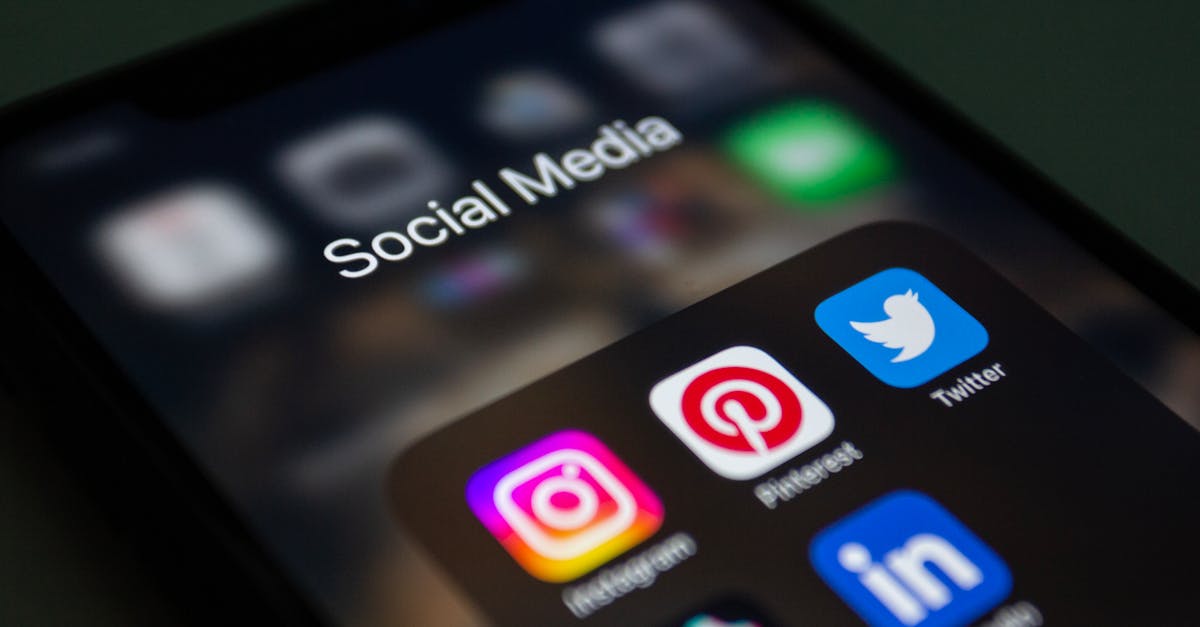
Look, the promise of endless streaks, leaderboards and shiny badges feels like a friendly nudge, but it can quickly become a compulsive loop. In my experience around the country, clients who obsess over a 720-day streak report heightened perfectionism and a fear of missing a daily check-in. The brain’s reward pathways light up each time the app confirms the streak - a pattern that mirrors gambling reinforcement and can deepen anxiety.
Research into excessive digital use shows that features designed to keep you logging in exploit dopamine spikes, turning a wellness tool into a habit-forming device. When the app rewards you for mere consistency rather than progress, you end up chasing numbers instead of coping skills. This metric-driven compulsion often runs counter to therapeutic principles that value flexibility and self-compassion.
Beyond the psychology, the business model is worth a hard look. Many platforms rely on surveillance capitalism - gathering granular usage data to sell to advertisers or third-party developers. The more you engage, the richer the data set they can monetise. As a therapist, I ask myself whether I’m recommending a tool that profits from my client’s anxiety.
- Streak counters: create a daily pressure cooker.
- Leaderboards: foster unhealthy comparison.
- Badges: reward quantity over quality.
- Push notifications: remind you not to miss a day, feeding guilt.
- Data dashboards: give the company insight into your mood swings.
Key Takeaways
- Streaks can turn self-care into a compulsion.
- Reward loops mimic gambling-style dopamine spikes.
- App data is often harvested for commercial gain.
- Therapeutic value declines when metrics dominate.
- Ask clients how the app makes them feel daily.
Decoding Data Harvests: A Critical Look at App Privacy Policies
When I first audited a popular mindfulness platform, the privacy policy was a maze of legalese that allowed the company to share ‘anonymised’ mood data with advertising partners. That clause is a euphemism for commercial exploitation - it breaks the confidentiality that underpins any therapeutic relationship.
Therapists need a checklist for privacy red flags. Phrases like “data may be used for product development” or “shared with marketing partners” signal that your client’s intimate reflections could be repurposed for profit. Unlike regulated health records, these apps sit outside the strict protections of HIPAA or the Australian Privacy Act, leaving a gap where breaches can occur.
According to a recent Social Media Addiction Lawsuits article, users often discover their data was sold after a breach, a reality that feels antithetical to therapy’s promise of safety.
- Look for: clauses about “third-party analytics”.
- Ask: whether data is stored overseas.
- Check: if the policy mentions “de-identified” - it may still be re-identifiable.
- Verify: whether the company follows the Australian Privacy Principles.
- Educate: clients on toggling data-sharing settings.
In my practice, I walk clients through the privacy page line by line, pointing out the language that turns their journal entries into marketable insights. If the app can’t guarantee confidentiality, I recommend seeking alternatives that are clinically regulated.
The Notification Trap: How 'Supportive' Pings Can Fuel Anxiety
Imagine a gentle buzz at 8 am saying, “Your daily reflection is due - don’t break your streak!” For many, that sounds encouraging. In reality, the message can weaponise anxiety, making non-completion feel like personal failure. I’ve seen this play out when clients start dreading the notification itself, not the therapeutic exercise.
These pings are rarely grounded in clinical evidence. Their primary goal is to maximise daily active users - a metric that drives advertising revenue. When the tone is guilt-laden, the client’s intrinsic motivation erodes, replaced by a reliance on external approval. Over time, the app becomes the arbiter of worth, and the client’s self-esteem becomes contingent on a digital check-mark.
Research on push-notification fatigue shows that excessive alerts increase stress hormones and reduce overall satisfaction with the tool. A Dark Patterns in AI Chatbots piece notes that such design tricks are built to keep users hooked, not to heal.
- Frequency: More than three reminders a day often signal a design problem.
- Language: Words like “must” or “don’t” increase pressure.
- Timing: Late-night alerts can disrupt sleep hygiene.
- Personalisation: Generic messages ignore individual coping styles.
- Choice: Apps that let you mute or customise alerts respect autonomy.
When I ask clients how they feel after each notification, the answers range from “motivated” to “panicked”. If the latter dominates, it’s a clear sign the app is doing more harm than good.
Questioning the Evidence: Scrutinising Claims of Digital Therapeutic Efficacy
Many apps parade “clinically proven” badges on their home screens, but the backing is often thin. In my experience, a handful of apps have published in-house trials that lack randomised controls, small sample sizes, or peer review. As clinicians, we need to dig deeper than a glossy logo.
The gold standard is independent, peer-reviewed research published in journals such as Psychological Medicine. Without that, an app’s claim is anecdotal at best. For example, an app might show a 20% reduction in self-reported anxiety scores in a pilot study of 30 users - impressive on paper but not robust enough to inform clinical recommendation.
Another red flag is a one-size-fits-all approach. Mental health is deeply personal; what works for mild situational anxiety may be woefully inadequate for major depressive disorder. Cultural context matters too - an app developed in the US may miss nuances relevant to Aboriginal communities or regional Australians.
- Check the study design: randomised, double-blind, control group?
- Look for sample size: larger cohorts increase reliability.
- Seek independent replication: has another institution reproduced the findings?
- Assess relevance: does the study match the client’s diagnosis?
- Evaluate transparency: are methods and data openly shared?
When an app cannot provide solid evidence, I advise clients to treat it as a supplementary tool, not a substitute for evidence-based therapy. The responsibility lies with us to protect the therapeutic integrity of our practice.
Beyond the Interface: Spotting When Apps Undermine the Therapeutic Alliance
Therapy works because of a human relationship built on trust, empathy and collaboration. When a client starts obsessing over app metrics - “I missed my streak, so I must be failing” - the focus shifts from emotional processing to data compliance. I’ve seen this drift erode the therapeutic alliance, as the client’s shame becomes tied to the app rather than the therapeutic work.
Key signs include:
- Client reports guilt or shame when they cannot meet a daily prompt.
- Session time is consumed by discussing app statistics rather than feelings.
- Client compares their progress to leaderboard scores.
These behaviours signal that the tool is imposing external standards of “wellness”. As clinicians, we must set clear boundaries: the app is a supplement, not a replacement.
In practice, I start a conversation early: “How does the app fit into your daily life? Does it help you feel calmer or more pressured?” If the answer leans towards pressure, we collaboratively decide to pause or switch to a less metric-driven platform. Ethical practice means being willing to recommend discontinuation when the technology becomes a source of distress.
- Discuss expectations: clarify that progress is not a binary badge.
- Set limits: schedule app-free days to rebuild intrinsic motivation.
- Monitor impact: regular check-ins on how the app affects mood.
- Provide alternatives: guided journalling, face-to-face exercises.
- Document decisions: note in the case file when an app is discontinued.
By keeping the focus on the relational work, we protect the core of therapy from being eclipsed by a digital scoreboard.
Frequently Asked Questions
Q: Can a mental health app replace regular therapy?
A: No. Apps can supplement coping strategies, but they lack the nuanced, relational dynamics of a trained therapist and should not be the sole source of treatment.
Q: What should I look for in an app’s privacy policy?
A: Watch for language that allows data sharing with third-party marketers, vague “product development” clauses, and lack of compliance with Australian privacy standards.
Q: How can I tell if app notifications are harming my mental health?
A: If alerts trigger guilt, panic, or a feeling of failure when you miss them, they are likely doing more harm than good. Consider muting or disabling them.
Q: Are “clinically proven” claims on app stores trustworthy?
A: Not always. Verify that the claim is backed by peer-reviewed, independent research rather than an in-house pilot study.
Q: What steps can I take if an app is affecting my therapy negatively?
A: Discuss the issue with your therapist, set clear boundaries around app use, and consider switching to a platform with fewer metrics or stopping use altogether.